
Search engine optimization has evolved significantly over the past few years. Traditional keyword-focused SEO is no longer enough to secure top rankings on Google. Today, search engines rely heavily on Entity-Based SEO and semantic search to understand content, user intent, and relationships between topics.
For businesses looking to improve online visibility, understanding these concepts is essential. At Dropp Digital, we help brands implement modern SEO strategies that align with Google’s latest algorithms and AI-driven search systems.
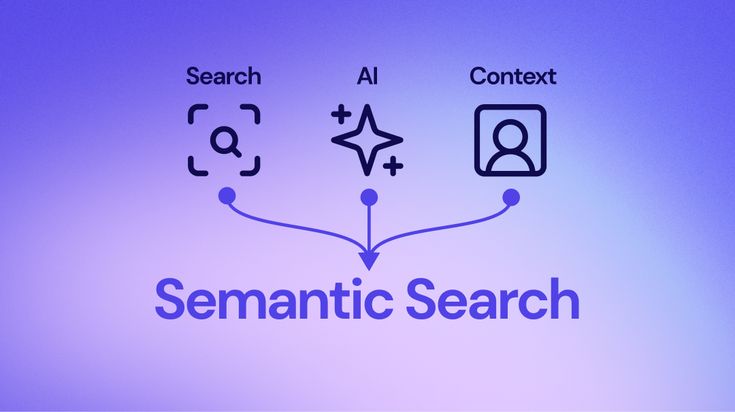
Table of Contents
- What is Entity-Based SEO?
- What is Semantic Search?
- How Google Uses Entities
- Benefits of Entity-Based SEO
- How Semantic Search Impacts Rankings
- Entity SEO Best Practices
- Future of Search in 2026
- Why Choose Dropp Digital
- FAQs
- Conclusion
What is Entity-Based SEO?
An entity is a person, place, organization, product, event, or concept that Google can uniquely identify and understand.
For example:
- Dropp Digital = Digital Marketing Agency
- Google = Search Engine Company
- SEO = Search Engine Optimization Technique
Instead of relying solely on keywords, Google now understands the meaning behind words and the relationship between entities.
Example
Traditional Keyword:
“Best digital marketing agency”
Entity-Based Understanding:
- Agency
- Digital Marketing
- SEO Services
- PPC Advertising
- Content Marketing
- Local SEO
Google connects these entities to deliver more accurate search results.
What is Semantic Search?
Semantic Search is Google’s ability to understand the context and intent behind a search query rather than matching exact keywords.
Example
Search Query:
“How can I grow my business online?”
Google understands the user may be looking for:
- SEO Services
- Social Media Marketing
- PPC Advertising
- Website Optimization
- Lead Generation
Even if these exact words are not used in the search query.
This helps search engines provide more relevant results.
How Google Uses Entities
Google’s Knowledge Graph connects billions of entities and their relationships.
When Google crawls your website, it looks for:
1. Context
What topic are you discussing?
2. Relationships
How is the topic connected to other entities?
3. Authority
Are you a trusted source on the subject?
4. Relevance
Does your content satisfy user intent?
The more clearly your website defines entities and relationships, the better Google understands your content.
Benefits of Entity-Based SEO
Improved Search Rankings
Google can better understand your expertise and relevance.
Enhanced Content Visibility
Your content may appear in:
- Featured Snippets
- Knowledge Panels
- AI Overviews
- People Also Ask Results
Better User Experience
Users find accurate answers faster.
Increased Organic Traffic
Relevant rankings attract qualified visitors who are more likely to convert.
How Semantic Search Impacts Rankings
Google’s AI systems evaluate:
- User intent
- Content quality
- Topic relevance
- Entity relationships
- Search context
This means websites that create comprehensive, authoritative content often outperform pages that simply repeat keywords.
Entity-Based SEO Best Practices
1. Build Topic Clusters
Create interconnected content around core topics.
Example:
Digital Marketing
→ Local SEO
→Meta Ads
→ Content Marketing
→ PPC Advertising
2. Use Structured Data
Schema markup helps search engines identify entities on your website.
Examples:
- Organization Schema
- Local Business Schema
- FAQ Schema
- Article Schema
3. Create Comprehensive Content
Cover a topic completely instead of focusing on one keyword.
Include:
- Definitions
- Examples
- FAQs
- Case Studies
- Related Topics
4. Strengthen Internal Linking
Connect related pages to help Google understand relationships between entities.
5. Establish Brand Authority
Publish expert content consistently and build high-quality backlinks.
A strong brand entity increases trust and visibility.
Future of Search in 2026
The future of SEO is moving toward:
- AI-Powered Search
- Semantic Understanding
- Entity Recognition
- Voice Search Optimization
- Search Generative Experiences (SGE)
Businesses that adapt to Entity-Based SEO today will gain a competitive advantage tomorrow.
Why Choose Dropp Digital?
At Dropp Digital, we specialize in:
✔ Advanced SEO Strategies
✔ Technical SEO Audits
✔ Local SEO Optimization
✔ Content Marketing
✔ Semantic SEO Implementation
✔ Entity-Based SEO Solutions
✔ Lead Generation Campaigns
Our goal is to help businesses achieve sustainable organic growth through modern, data-driven marketing strategies.
Website: droppdigital.com
Call/WhatsApp: 9518215367
Frequently Asked Questions
What is Entity-Based SEO?
Entity-Based SEO focuses on optimizing content around identifiable concepts, people, places, brands, and topics rather than only keywords.
Why is semantic search important?
Semantic Search helps Google understand user intent and provide more relevant search results.
Does entity-based SEO improve rankings?
Yes. It helps search engines better understand your content, improving relevance and visibility.
How does Google identify entities?
Google uses its Knowledge Graph, structured data, and AI systems to recognize entities and their relationships.
Is keyword SEO still important?
Yes, but keywords should be combined with entity optimization and semantic relevance for maximum results.
Conclusion
Entity-Based SEO and Semantic Search are reshaping how websites rank in Google. Businesses that focus on topical authority, structured data, content relationships, and user intent will be better positioned for long-term success.
If you’re looking to future-proof your SEO strategy and increase organic traffic, Dropp Digital can help implement advanced Entity-Based SEO techniques tailored to your business goals.
Ready to grow your online presence?
🌐 Visit: droppdigital.com
📞 Call/WhatsApp: 9518215367
🚀 Partner with Dropp Digital for smarter SEO and sustainable growth.