
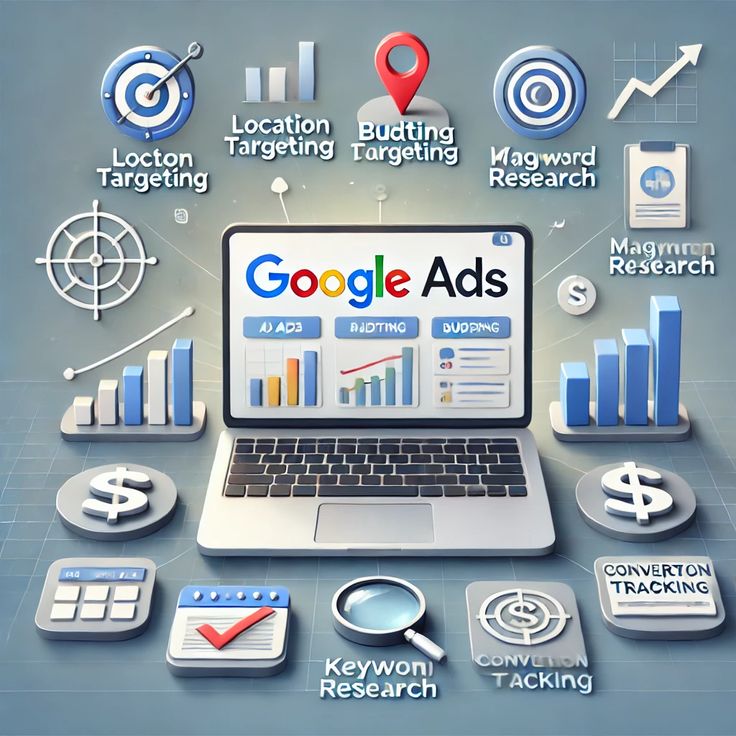
What Is PPC Advertising? is one of the most common questions businesses ask when they’re ready to bring in more customers fast. PPC—short for Pay-Per-Click advertising—is a powerful and surprisingly flexible digital marketing strategy where you pay only when someone clicks your ad. This makes it efficient, measurable, and extremely attractive for businesses that want immediate visibility. Because PPC can bring fast and targeted traffic, many companies use it alongside SEO to dominate search results.
In this complete guide, written in simple English with short sentences and clear ideas, you’ll gain an expert-level understanding of PPC, how it works, and how to use it effectively. You’ll find practical tips, real-world insights, helpful steps, and everything you need to build winning campaigns—whether you’re a beginner or a growing business.
What Is PPC Advertising?
PPC advertising is a digital marketing model where advertisers pay only when a user clicks their ad. These ads appear on search engines like Google, social platforms like Facebook, and websites across the internet. The strength of PPC is speed—it allows you to show your business to people who are already searching for what you offer.
From my experience working with small and large businesses, PPC becomes even more powerful when targeting the right keywords, writing clear ads, and sending clicks to simple, well-designed landing pages. When the system is aligned, results come fast, often within hours.
Understanding What Is PPC Advertising?
PPC begins with keywords. When users type those keywords into a search bar, your ad can appear above organic results. A real-time auction decides which ads appear. The winner isn’t the highest bidder; it’s the advertiser with the best mix of relevance, quality, and bid amount. This helps even small businesses compete with bigger brands.
Another important part of understanding PPC is knowing that platforms reward high-quality ads. The better your ad matches a person’s search intent, the less you pay per click.
Core Principles of PPC
Several principles shape every PPC campaign:
- Auction system – Ads compete in milliseconds.
- Ad relevance – Ads must match search intent.
- Quality Score – Google’s rating of your relevance and usefulness.
- Cost-Per-Click (CPC) – What you pay when someone engages.
- Landing page experience – Good pages mean lower costs.
When these elements work together, campaigns grow quickly while costs shrink.
Types of PPC Advertising
PPC appears in multiple formats. Each serves a different business goal:
- Search Ads – Text ads on Google or Bing.
- Display Ads – Image or banner ads on websites.
- Social Media Ads – Facebook, Instagram, LinkedIn, TikTok.
- Shopping Ads – Product photos directly in search results.
- Video Ads – YouTube and other platforms.
- Remarketing Ads – Ads shown to past visitors.
Businesses often use a combination of formats for better results.
Benefits of PPC Advertising
Here are some advantages businesses love:
- Quick visibility
- Lower risk because you pay only for clicks
- Precise audience targeting
- Immediate traffic
- Strong data for decision-making
- Easy to control budgets
- Higher conversion potential
PPC is especially useful for new businesses that need fast results.
Pay-Per-Click vs. SEO
PPC gives instant visibility. SEO builds long-term visibility. Both help your business grow, but for different reasons.
- PPC brings traffic today.
- SEO brings traffic every day for years.
Smart marketers use both.
PPC Platforms Overview
Major PPC platforms include:
- Google Ads – Most powerful and widely used.
- Bing Ads – Cheaper clicks and high-quality leads.
- Meta Ads – Facebook and Instagram targeting.
- LinkedIn Ads – Great for B2B.
- TikTok Ads – Popular for younger audiences.
Each platform has strengths depending on your goals.
Google Ads Explained
Google Ads remains the top PPC platform. It includes:
- Search campaigns
- Display campaigns
- Shopping campaigns
- Video campaigns
- Performance Max campaigns
Businesses often begin here because Google processes billions of searches daily.
Keyword Research for PPC
Keyword research is the backbone of PPC. You must choose:
- Primary keywords
- LSI keywords
- Negative keywords
- Intent-based keywords
Use tools like Google Keyword Planner or Ahrefs for insights.
Creating PPC Campaigns
A solid PPC campaign includes:
- Defined goals
- Keyword research
- Organized ad groups
- Clear targeting
- Budget planning
- Landing page selection
Small steps make campaigns organized and effective.
Ad Groups and Targeting
Ad groups help ads stay organized. Use:
- Broad match
- Phrase match
- Exact match
Good targeting can change the outcome of a campaign.
Writing Effective PPC Ads
Strong ads have:
- Concise headlines
- Action-focused language
- Clear benefits
- Emotional appeal
- Strong CTA
Words matter in PPC. Even one word can change conversions.
Quality Score in PPC
Quality Score impacts cost and visibility. It is based on:
- Ad relevance
- Expected CTR
- Landing page quality
Improving Quality Score saves money.
PPC Bidding Strategies
Choose from:
- Manual CPC
- Target CPA
- Target ROAS
- Maximize clicks
- Maximize conversions
Beginners can start with Maximize Clicks.
Landing Pages for PPC
Your landing page decides whether clicks become customers. Make sure it is:
- Clear
- Fast
- Mobile-friendly
- Focused on one offer
- Easy to read
Good landing pages lower CPC and improve conversions.
Measuring PPC Success
Measure:
- CTR
- CPC
- Conversion rate
- Quality Score
- Cost per conversion
- ROAS
Without data, PPC becomes guesswork.
PPC Tools
Helpful tools include:
- Google Analytics
- Google Ads Editor
- SEMrush
- Ahrefs
- Hotjar
- Optimizely
These tools simplify optimization.
Remarketing in PPC
Remarketing helps reconnect with past visitors. It increases conversions because users already know your brand.
Local PPC Advertising
If your business depends on local customers, local PPC is ideal. Use:
- Location targeting
- Call extensions
- Map listings
This is perfect for services like dentists, plumbers, or restaurants.
Common PPC Mistakes
Avoid:
- No negative keywords
- Weak landing pages
- Overspending
- No tracking
- Poor keyword intent
Small mistakes cause big losses.
Budget Optimization
To improve budget efficiency:
- Pause low-performing keywords
- Raise bids on winning ones
- Improve Quality Score
- A/B test ads
Budget control is the heart of PPC.
Advanced PPC Strategies
Advanced users leverage:
- A/B testing
- AI-powered bidding
- Audience segmentation
- Smart campaigns
Over time, these strategies unlock higher ROI.
PPC for Small Businesses
Even small budgets can work well. Focus on local keywords, simple campaigns, and remarketing.
Future of PPC Advertising
Future trends include:
- AI-generated ads
- Zero-click searches
- Privacy-focused targeting
- Voice-search ads
PPC keeps evolving.